
New Delhi: In India’s much-hyped premium trains like Vande Bharat and Tejas Express, passengers are being served stale, smelly, half-cooked meals despite paying in advance for catering services. When they dare to complain, some are met with abuse or even physical assault by pantry staff.
Media reports have exposed how a broken tender system, unchecked monopolies and the Railways’ indifference have turned train’s catering into a racket that flees passengers while contractors’ keep filling up their pockets.
Also Read: IRCTC to serve regional cuisines, seasonal items on trains
Passengers on the Bhubaneswar-New Delhi Tejas Rajdhani recorded videos of food they 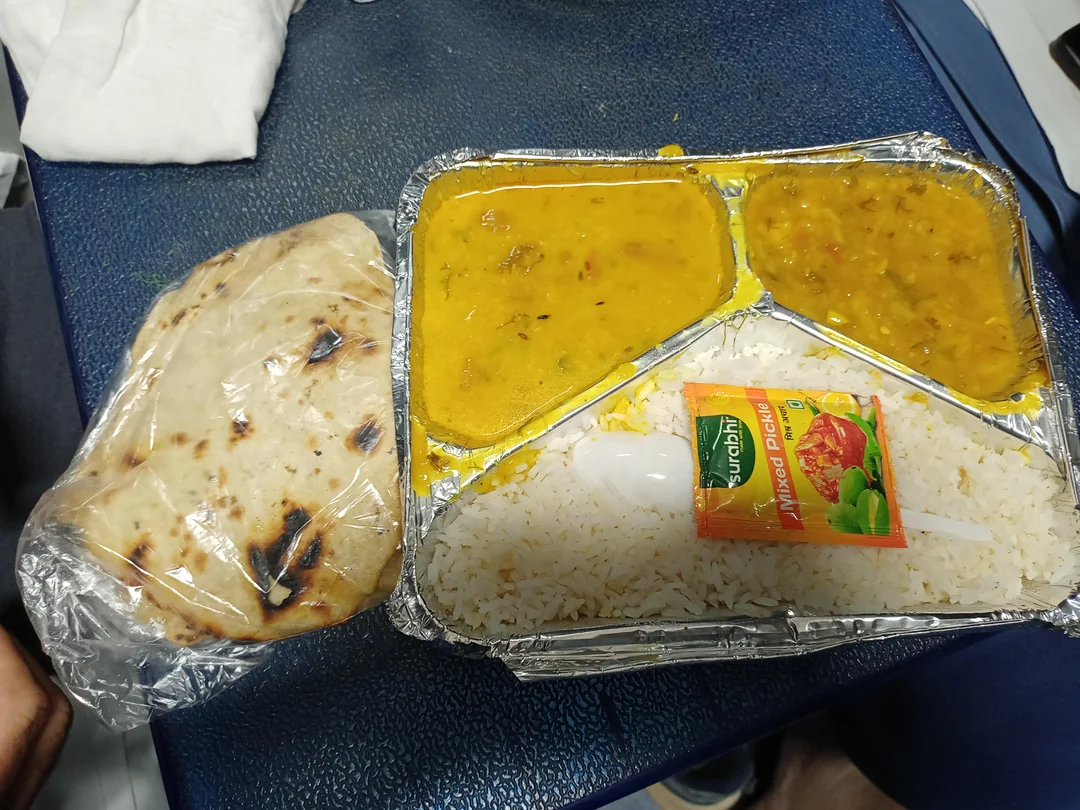 described as “unfit for human consumption” and a “food poisoning risk.” On the Kamakhya-Howrah Vande Bharat, travellers were given undercooked rice, rock-hard rotis and dal that reeked so badly that staff themselves threw it away after protests. In another incident, a passenger who complained online about being overcharged for a ₹15 water bottle sold at ₹20 was allegedly beaten up by pantry staff.
In 2024-25 alone, IRCTC received 6,645 complaints about catering—stale food, missing menu items, short portions, overcharging, and poor hygiene dominate the list. Yet, little changes.
An investigation revealed a clear culprit: a monopolistic catering empire led by the RK Group. Out of 265 premium trains in Cluster A, RK Group and its associates control contracts for 218. Between 2021 and 2024, the Railways received 1,910 complaints against RK Group alone. Other frequent offenders include Classic Caterers (1,439 complaints), P Shiva Prasad (1,208), Vrindavan Food Products (1,196—an RK affiliate) and Express Food Services (1,162).
Also Read: Travellers resent absence of pantry car in long-distance trains
How did one group corner the market? Simple—no ceiling on the number of contracts a single entity can hold. A 2017 CAG report had already warned that the absence of such limits was promoting monopolisation. The Indian Railways ignored it. In the 2017 catering policy, the earlier 10% cap on contracts was quietly dropped. Large players simply created multiple shell companies to bypass any restrictions.
The second rot runs deeper. Contractors bid absurdly high licence fees—up to 70% above the reserve price set by IRCTC—just to bag tenders. A letter of award dated 24 April 2024 shows Vrindavan Food Products (RK Group) securing 10 trains by paying far above the Railways’ own annual fee estimate. As the 2017 CAG report had predicted, unrealistically high bids force contractors to cut corners ruthlessly: smaller portions, cheaper ingredients, missing items, or plain overcharging to recover costs and turn a profit.
Also Read: Railways okays plans to strengthen tracks on strategic North-East front
Even IRCTC has admitted the problem. In a letter to the Railway Ministry dated 28 November 2025, it flagged monopolies and acknowledged that contractors who overbid are compromising on quality and violating tender conditions.
The Railway Board, entrusted with policy and oversight, has looked the other way. It has failed to enforce its own clustering rules meant to prevent one contractor from dominating premium trains on the same route. On at least one route, a single group was handed seven out of ten premium trains—blatantly violating limits on prepaid premium services per cluster.
Meanwhile, passengers keep paying more. Fares on Vande Bharat, Tejas and other premium trains have been repeatedly hiked in the name of world-class travel experience. Yet, the most basic service—decent food—remains abysmal. Prepaid meals are mandatory on many of these trains, leaving travellers with no choice but to swallow substandard food or go hungry.
Of the 6,645 complaints in 2024-25, only 1,341 resulted in fines. The rest received warnings, advisories, or “other necessary action”—hardly a deterrent for contractors raking in crores.
The message from India’s Railways is clear: passengers can pay premium prices, but they cannot expect premium service. Complaints are noted, monopolies are protected, and quality continues to rot—just like the food being served at 140 kmph.