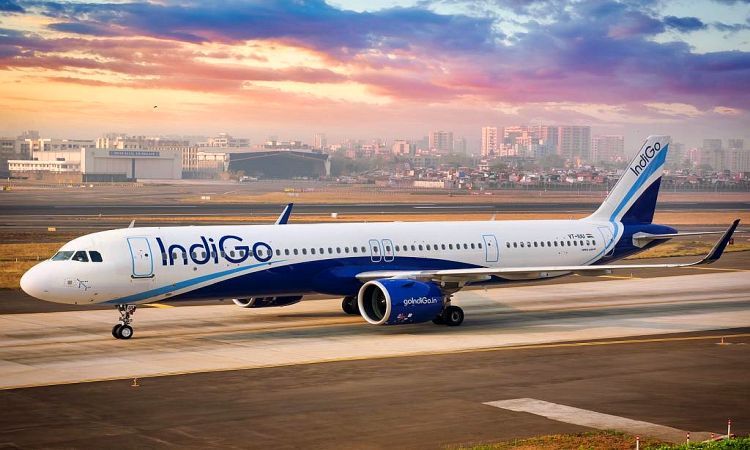
New Delhi: In a decisive move to address the unprecedented wave of flight disruptions plaguing India’s skies, Union Civil Aviation Minister Ram Mohan Naidu Kinjarapu has vowed comprehensive action against those responsible for the crisis at IndiGo, the nation’s dominant airline.
“We have formed a committee which will inquire into all this so that they can establish where things went wrong and who did it wrong. We are going to take necessary action on that also. This thing shouldn’t be left unattended. We are taking strict action on this, so that whoever was responsible into this needs to pay for it,” Naidu said this on Friday (December 5) emphasising that the government would not tolerate lapses that strand thousands of passengers. This high-level probe, coupled with immediate regulatory relaxations, signals a robust intervention to restore order and safeguard air travelers from further agony.
Scale of the crisis: Over 1,700 flights cancelled in 4 days
What began as isolated delays on December 2 escalated into a full-blown operational meltdown by December 5, with IndiGo cancelling over 1,700 flights nationwide. The IndiGo‘s CEO, Pieter Elbers, confirmed that more than 1,000 flights were axed on December 5 alone—a staggering half of its daily schedule—as part of a “reboot” to reset crew rosters and stabilize operations. Elbers apologized in a video message, stating, “We could not live up to the promise of providing a good experience to customers,” and projected normalcy between December 10-15, with full restoration by February 10, 2026.
Also Read: Chaos at airports: Union home secretary holds high-level meet
The disruptions stemmed from a perfect storm: the November 1 implementation of stricter Flight Duty Time Limitations (FDTL) norms to combat pilot fatigue, an emergency Airbus A320 software patch over November 29-30, adverse weather and airport congestion. IndiGo, operating with razor-thin margins on crew staffing, was caught unprepared, leading to cascading cancellations. The DGCA’s data revealed 1,232 cancellations in November alone, with 755 tied to crew and FDTL issues. By December, the on-time performance plummeted to a dismal 8.5% on December 4, compared to competitors like Air India (61%).
Passenger plight: Stranded, frustrated and forgotten
As India’s largest private airline with a commanding 65% domestic market share—carrying over 90 lakh passengers monthly in May 2025—IndiGo’s collapse reverberated across the nation, amplifying the suffering of millions reliant on its vast network. Travelers from business executives to families with infants endured hours-long waits without updates, inadequate amenities, or clear rebooking options. Social media erupted with harrowing accounts: one passenger at Pune Airport lamented, “Stranded for 12+ hours with an 11-month-old baby—no hotel despite infants crying and elders freezing. 100+ tortured. DGCA rules ka mazak?” Another from Chennai fumed, “Stuck for >12 hours—flight 6E5194 to Mumbai. No cancellation notice, no clarity. Who is gaining by troubling us common man?” At Bengaluru’s Kempegowda International Airport, a woman carrying her father’s ashes for immersion in Haridwar broke down: “I have my father’s ‘Asthi’ with me. I have to reach Delhi from Bengaluru… but everything is cancelled.”
Also Read: Airbus cuts delivery target to around 790 unit on A320 panel issue
Refunds were delayed, luggage vanished into the ether, and alternative flights cost four times more amid surging airfares. Elderly couples collapsed in exhaustion at Delhi’s counters, while a father in Hyderabad pleaded for a sanitary pad for his daughter after hours without basics. The chaos peaked on December 5, with all 235 domestic departures from Delhi cancelled till midnight, leaving runways eerily empty while other airlines operated normally. Protests erupted in Raipur, where passengers blocked gates, delaying others by 40 minutes.
Airport mayhem: A nation in gridlock
Airports transformed into scenes of pandemonium, with serpentine queues snaking through terminals and flight boards flashing endless “Delayed” or “Cancelled” alerts. At Mumbai’s Chhatrapati Shivaji Maharaj International Airport, 104 flights (53 departures, 51 arrivals) were scrapped on December 5, sparking scuffles at help desks understaffed with just two executives for hundreds. Bengaluru saw 102 cancellations (50 departures, 52 arrivals), with passengers rummaging through abandoned trolleys for misplaced bags. Hyderabad logged 92 axed flights, while Chennai halted all IndiGo services to major cities till 6 PM, trapping base passengers in limbo.
Also Read: Bihar’s Purnea Airport soars with direct flights to key cities
Smaller hubs fared no better. In Ranchi, two flights were outright cancelled and seven delayed over 30 minutes, driving one-way fares to Delhi up fivefold to ₹23,000—compelling travelers like Prashant to reroute via Patna at ₹31,000 total. Patna reported nine cancellations, stranding a family en route to a wedding: “Our flight on December 3 was cancelled, and now today’s is too. Refund of ₹10,000? When?” Goa’s Dabolim Airport axed 31 flights till noon, leaving 13-hour waits without food. Ahmedabad braced for 86 impacts (50 departures, 36 arrivals), while Jammu lost 11 flights. The ripple effect? Skyrocketing fares, missed connections, and a humanitarian toll on vulnerable flyers—seniors, patients, and pilgrims to Sabarimala.
Major airports hit by cancellations
On December 5, 2025, IndiGo’s cancellations hit major airports with devastating force, according to official airport advisories and DGCA reports: Delhi’s Indira Gandhi International Airport saw 225 domestic departures grounded, with all flights cancelled till midnight; Mumbai’s Chhatrapati Shivaji Maharaj International Airport recorded 104 cancellations (53 departures and 51 arrivals); Bengaluru’s Kempegowda International Airport had 102 flights axed (50 departures and 52 arrivals); Hyderabad’s Rajiv Gandhi International Airport reported 92 cancellations (49 departures and 43 arrivals); Ahmedabad was hit with 86 cancellations; Jammu lost 11 flights; Patna had 9 flights cancelled; and Ranchi suffered 2 outright cancellations along with 7 flights delayed by more than 30 minutes each, turning smaller stations into scenes of prolonged distress and skyrocketing last-minute fares.
Also Read: Air India Crash: Investigators Find Black Box as Probe Deepens
Government intervention: From inquiry to immediate relief
The crisis prompted swift regulatory response. Following a virtual show-cause notice and DGCA inquiry into the 170-200 daily cancellations—far exceeding peers—the watchdog convened IndiGo’s top brass on December 4. Naidu, expressing “clear displeasure” at the airline’s unpreparedness despite months of notice for FDTL changes, directed real-time monitoring, field inspections, and no-fare-hike mandates.
On December 5, the DGCA placed FDTL orders in abeyance—suspending weekly rest mandates and night-duty limits till February 10—to prioritize passenger relief without compromising safety. A four-member committee, led by Joint DG Sanjay K. and including SFOI Kapil Manglik and Capt. Lokesh Rampal, was formed for a 15-day probe into planning failures and compliance gaps. The ministry activated a 24×7 control room for real-time resolutions, expecting stabilization by December 6 and full normalcy in three days.
IndiGo responded with full refunds processed automatically, waivers on rescheduling till December 15, arranged hotels, surface transport, and refreshments. Yet, the Airline Pilots’ Association (ALPA) decried the exemptions as “selective and unsafe,” warning of fatigue risks.
Lessons from a wake-up call
This IndiGo debacle underscores the perils of market dominance without resilience—65% share means one carrier’s stumble grounds a nation. As the probe unfolds, Naidu’s pledge for “harsh action” offers hope, but passengers demand more: proactive transparency, robust backups, and equitable enforcement. For now, stranded flyers cling to refunds and reroutes, a stark reminder that in aviation, delays aren’t just inconvenient—they’re a betrayal of trust. With winter peaks looming, the skies must clear, or India’s aviation boom risks turbulence.